

 11 years ago
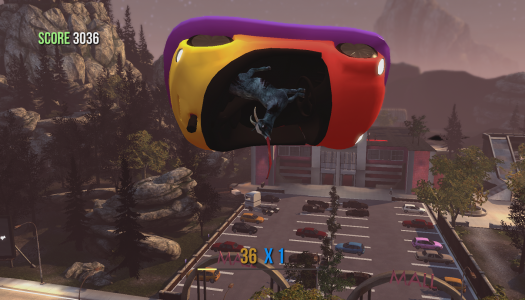
Goat Simulator: Mmore Goatz Edition gets a release date
When it comes to simulating the daily life of a member of the Bovidae family, Goat Simulator is the way to go. So if you’re looking to give the oddity a shot …
Read More
 11 years ago
Peter Moore: Steve Ballmer’s RRoD decision saved Xbox
Most Xbox 360 owners have had a brush (or two…or three…or more) with the console’s infamous Red Ring of Death (RRoD) error. Former Microsoft executive Peter Moore stated Read More
 11 years ago
Resident Evil Revelations 2 review hub (Xbox One)
“So much suffering… You don’t even know what to be afraid of yet.”
Read More
 11 years ago
Slender: The Arrival releasing on Xbox One in March

Blue Isle Studios has announced that their first game, Slender: The Arrival, will be releasing on Xbox One on March 25 via the ID@Xbox program. The game will be coming to Xbox One with brand new story elements implemented, as well as extended levels throughout the entire game. Our review of the original game can be read here and while our final score wasn’t overwhelmingly positive it is still nice to see that the game is making the transition to the next generation of consoles with some added features for players.
A new trailer has been released for the Xbox One and Playstation 4 versions of the game and it can be seen below the break.
 11 years ago
Resident Evil becomes Capcom’s fastest selling digital title
Have you joined in on the fun yet?
Resident Evil has become Capcom’s fastest selling digital title in history across North America and Europe.
Yoshiaki Hirabyashi, Capcom’s Producer on …
Read More
 11 years ago
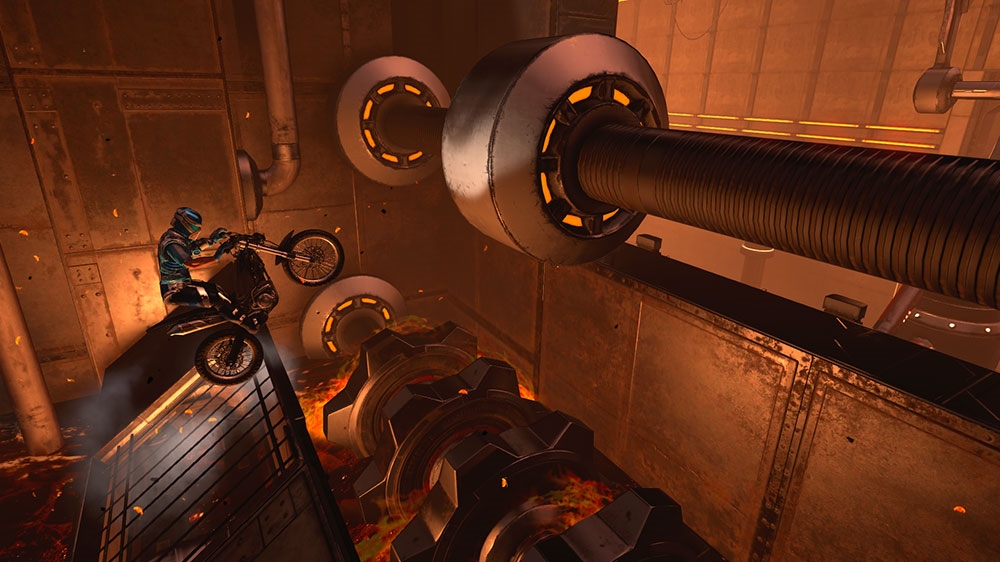
Trials Fusion released its 4th DLC Fire in the Deep and now has multiplayer
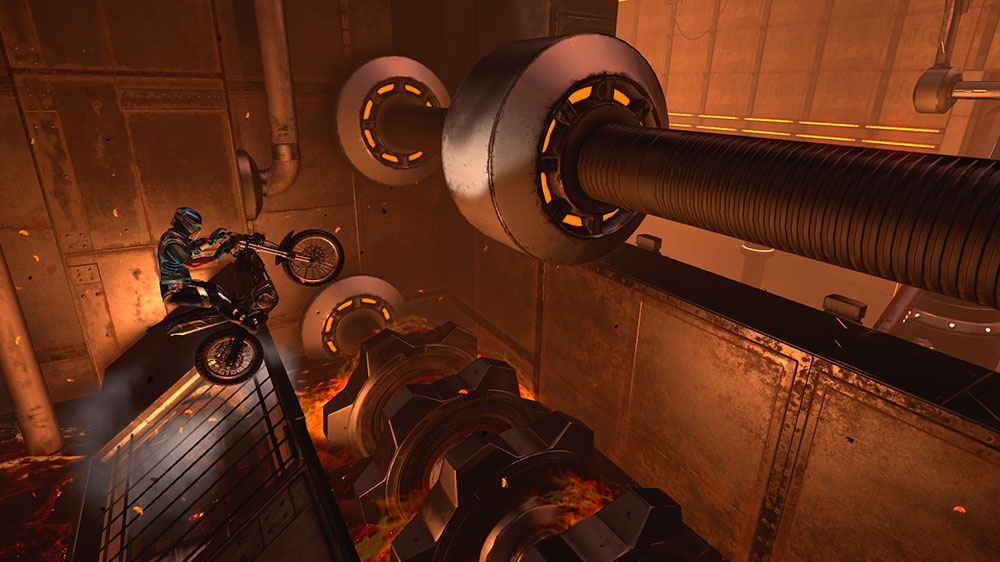
Greetings everyone. Big Trials Fusion fans may already know this but for the people who might not have played recently or might have bought Trials Fusion during the sale in December and haven’t started it yet, Trials Fusion has added multiplayer support to its game. Not only that, the 4th DLC, Fire in the Deep, is now available for season pass holders or individual purchase. Six DLCs have been planned for the season pass which will culminate by March 2015. Fire in the Deep marks the 4th content that has been released.
Multiplayer detail:
* Online X-Supercross mode: Up to eight players on Xbox One and four players on Xbox 360 compete on three random tracks with the winner being the one with the highest score.
* Private games: Players can choose which track to race on and choose different alternate settings such as gravity, bike speed and bike control.
* Spectator mode: Players can be invited in to watch the action unfold.
* Leaderboards: Global leaderboards will keep track of Online X-Supercross times earned from its players.
Details are heating up, check out the details for Fire in the Deep after the jump.
Read More
 11 years ago
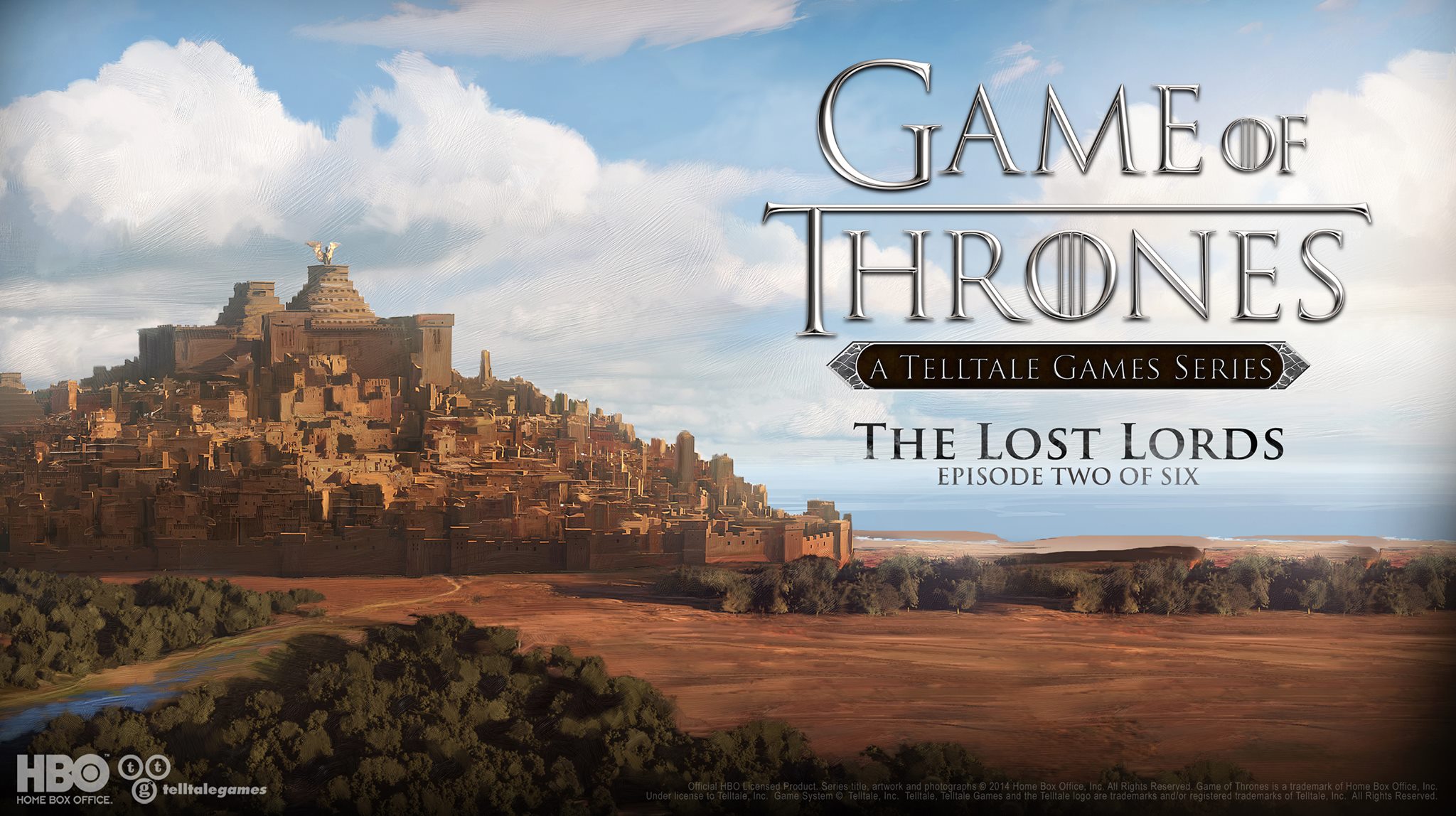
Take a look at the Game of Thrones: The Lost Lords launch trailer
Did you like Episode 1 of Game of Thrones: A Telltale Game Series? Can’t wait for Episode 2? Well, you won’t have to wait for much longer.
Episode 2: …
Read More
 11 years ago
Resident Evil Revelations 2 sees a minor setback to release date
It’ll only hurt a little.
Read More
 11 years ago
Details on the imminent Resident Evil remaster and Resident Evil Revelations 2

Resident Evil fans will have a lot to rejoice about soon.
Capcom is releasing a remastered HD version of the classic Resident Evil for Xbox One on January 20. Those excited for the release can now pre-order/pre-load it here, so that the game is ready to go the first minute it’s fully released.
An Xbox 360 version of Resident Evil is currently only available on the Japanese Xbox Live Marketplace for digital purchase and is region free. That version was released at the end of November of 2014.
In other Resident Evil news, Resident Evil Revelations 2 will be released less than one month after the Xbox One version of Resident Evil. Well, sort of.
Capcom is taking another new approach to survival-horror by releasing the contents of Resident Evil Revelations 2 in an episodic manner. These episodes will focus on two different pairs of characters. Keep reading for more details.
 11 years ago
Come see the first developer’s diary for Life is Strange
Last time on Life is Strange, XBLA Fans introduced details about this episodic narrative driven adventure game here.
This time, the developers have released their first developer’s diary for Life is Strange showing …
Read More